Laser therapy for dogs is a light-based therapy, also called photobiomodulation, that uses specific red and near-infrared wavelengths to support pain relief, lower inflammation, and encourage tissue healing. In a clinic, it is delivered with a professional therapeutic laser (Class 3B or Class 4) by a veterinarian or a trained rehab professional, usually in sessions of 15 to 30 minutes that cost roughly $40 to $100 each. It is most studied for joint pain and post-surgical recovery, where the evidence is promising for some conditions and genuinely mixed for others.
Here is what most pet parents are never told: real laser therapy is a professional device that can burn tissue or damage eyes if it is misused, while the at-home option most people can safely reach for is LED red light therapy, which is related but not the same thing.
Let me back up and tell you why I care about this so much.
Why I started reading everything about laser therapy for dogs
When our French Bulldog Milka developed IVDD (intervertebral disc disease), our whole world narrowed down to one question: how do we help her move again without making anything worse?
Frenchies are prone to spinal issues. I knew that. What I did not expect was how frightening it is to watch your dog struggle to walk. We worked closely with professionals, and part of Milka's recovery plan was photobiomodulation, the light-based therapy people usually call laser therapy, done by a rehab physiotherapist.
It helped as part of her care. It was also expensive. Session after session added up fast, and that cost is exactly what sent me down the research rabbit hole. What was actually happening in those sessions? Could we do something at home? And why does everyone online use the words "laser" and "red light" like they mean the same thing when they clearly don't?
Here's what the research tells us, laid out the honest way.
What is laser therapy for dogs, and how does it work?
Laser therapy uses a single wavelength of light, from visible red through near-infrared, aimed at a specific area of the body. According to PetMD's veterinarian-reviewed overview, the interaction between that light and your dog's tissue is called photobiomodulation, and clinic sessions are usually low-level or cold laser therapy for dogs.
The basic idea, described across several veterinary studies, is that light in these wavelengths is absorbed by the mitochondria inside cells. That can nudge cells to produce more energy, which is associated with faster tissue repair, better local blood flow, and a calmer inflammatory response. A study on how deeply 830 nm light travels through living dog tissue found that near-infrared light reaches deeper than red light, though how much energy actually gets to the target depends on the dose and technique. That same research is a good reminder that dog skin is thinner than human skin, which is why a device calibrated for people does not automatically translate to a dog.
What is the difference between laser therapy and red light therapy?
This is the part the internet muddies on purpose, usually to sell a device.
Both laser therapy and red light therapy are forms of photobiomodulation. The difference is the light source. A veterinary study on canine skin described it clearly: photobiomodulation can be delivered with a coherent light source, which is a true laser, or a non-coherent source, which is a filtered lamp or an LED. That single difference changes the power, the precision, the safety profile, and who should be holding the device.

So when a blog tells you that you can do "laser therapy" on your dog at home with a $200 pad, read carefully. Most of those at-home devices are LED red light, not a therapeutic laser. That is not a bad thing. It is genuinely useful. It is not the same category as the Class 4 laser a rehab clinic uses, and pretending otherwise is how pet parents get confused.
Can you do laser therapy on a dog at home?
A true therapeutic laser belongs in trained hands. Class 3B and Class 4 lasers are powerful enough to cause eye injury and, if held on one spot too long, to burn hair or skin. That is not fear-mongering, it is physics, and it is why clinics use eye protection and specific dosing.
What you can safely bring home is LED red light therapy. That is the lane Milka's home device lives in, and it is why we eventually invested in one after her clinic sessions. If that is what you are actually looking for, I wrote a full guide on how to choose one, which you can read here: red light therapy for dogs, cats, and horses. It covers wavelengths, near-infrared, and what separates a real device from a gimmick, so I won't repeat all of that here.
Does laser therapy help dogs with IVDD?
This is the question I most wanted a clean answer to when Milka was recovering. The honest answer is: the evidence is mixed, and I would rather tell you that than sell you a fairy tale.
A 2012 study in the Journal of Small Animal Practice looked at dogs recovering from IVDD surgery and found that the group given laser therapy afterward returned to walking faster, with reporting on the trial describing a median of about three and a half days to ambulation. That result got a lot of attention, and understandably so.
But a 2017 study in the American Journal of Veterinary Research used a similar protocol and found no significant difference between the dogs that received photobiomodulation and those that did not. Both studies were small. So the fair summary is that laser therapy may support recovery after IVDD surgery for some dogs, the early findings were encouraging, and larger trials are still needed before anyone can promise you a result. That is where the science honestly sits today.
For Milka, laser was one supportive piece of a much bigger plan that included veterinary guidance, strict rest, and time. I will never know exactly how much each piece contributed. What I do know is that we used every reasonable, gentle tool we could, and she came through it.
What does the research say about laser therapy for other conditions?
Outside of IVDD, the strongest single piece of evidence is for joint pain.
In a 2018 randomized, blinded, placebo-controlled trial in the Canadian Veterinary Journal, dogs with elbow osteoarthritis were given photobiomodulation at 10 to 20 J/cm2 to both elbows for six weeks. The results were meaningful: nine of the eleven dogs given the therapy were able to lower their NSAID dose, compared with zero of the nine dogs in the sham group, and those same dogs showed greater improvement in lameness and pain scores. A separate 2022 trial in the American Journal of Veterinary Research found that dogs with hip osteoarthritis given a Class IV therapeutic laser over three weeks had reduced pain and improved clinical findings.
Skin is where I want you to be especially careful with the hype. A 2022 critically appraised review of the canine research found that low-level laser therapy can be a helpful add-on for certain skin infections alongside antibiotics, but it is not recommended for the itch of atopic dermatitis, and the evidence for most other skin conditions is not yet convincing. In other words, laser is a real tool, not a fix for everything, and anyone claiming otherwise is overselling it.
How much does laser therapy for dogs cost, and how many sessions?
This is the practical stuff, because the laser therapy for dogs cost question is real and it shaped our decisions too.
- Single session: about $40 to $100, depending on your clinic and location
- Six-session package: often around $250 to $300
- Session length: usually 15 to 30 minutes
- Frequency: often two to three times a week at first, then spaced out as your dog improves
For an acute injury or post-surgery recovery, that investment can absolutely be worth it. For a chronic, long-term condition, the math is where a lot of pet parents feel the pressure, and it is a fair reason to talk with your vet about whether an at-home LED option makes sense for maintenance between or after professional care.
Is laser therapy safe for dogs?
In trained hands, professional laser therapy has a wide margin of safety, and most dogs relax right through it. The risks are real but they are about how the device is used, which is exactly why it is a professional tool.
Drawing on the contraindications compiled by the North American Association for Laser Therapy and shared through veterinary education, a professional will avoid or take extra care with the laser in these situations:
- Directly over a known or suspected tumor
- Over the pregnant uterus
- Over the eyes, where both your dog and the operator need protection
- Over the thyroid or other endocrine glands
- Over an area that is actively bleeding
- In dogs who are immunosuppressed or photosensitive
That first point matters, so I want to say it plainly. You may have seen claims online that laser therapy kills cancer cells. The credible veterinary guidance is the opposite: professionals are told not to aim a therapeutic laser directly over a tumor. Please do not use any light therapy over a lump or mass without your vet's guidance.
How we supported Milka's recovery at home
Once Milka was past the acute stage, our focus shifted to gentle, consistent, whole-body support, the kind you can keep up long after the clinic visits end.
The at-home piece for us was an LED red light device, used the safe way, as maintenance and comfort rather than a substitute for veterinary care. Alongside that, we leaned into nutrition that supports the spine, the nervous system, and a healthy inflammatory response, because recovery is never about one single thing.
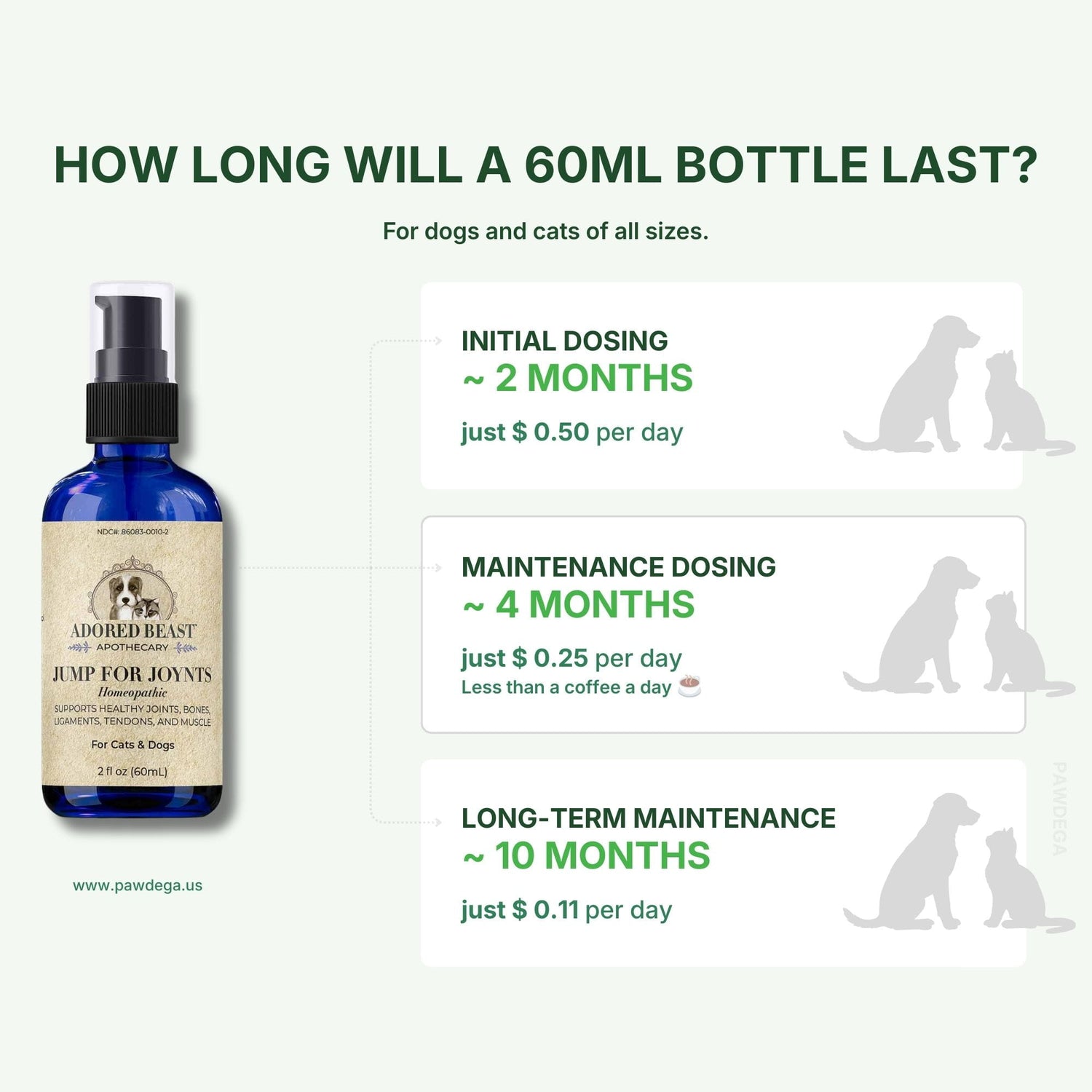
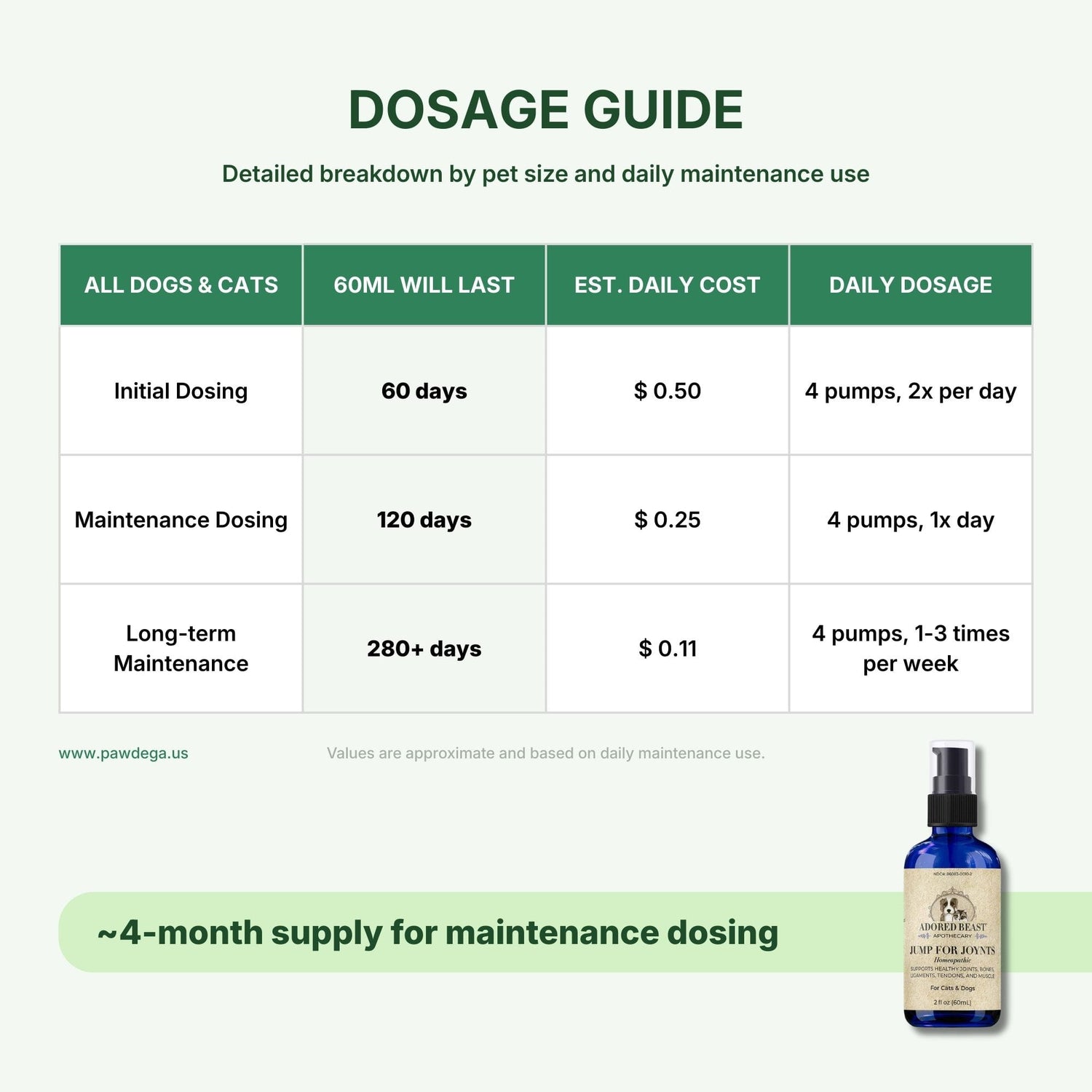
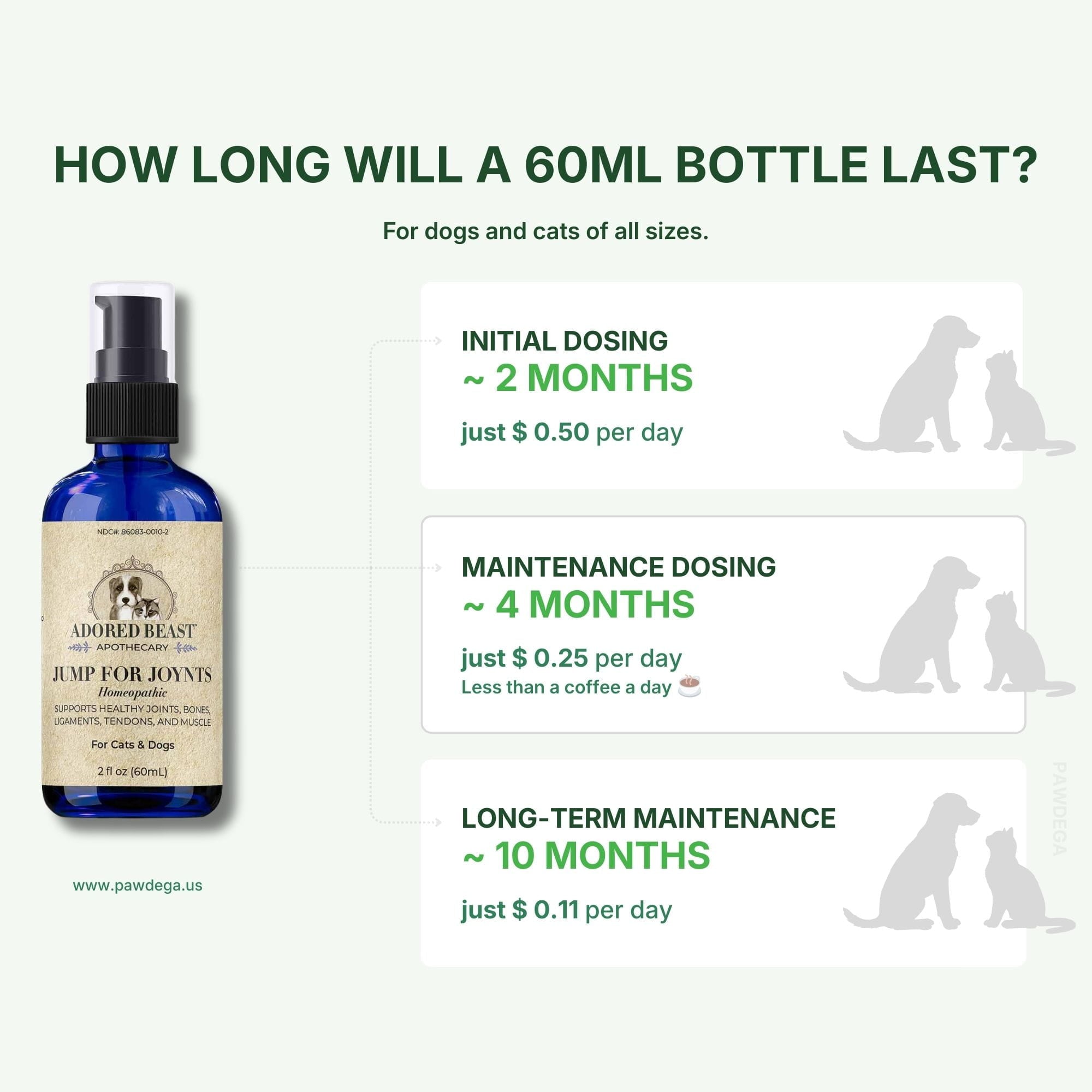
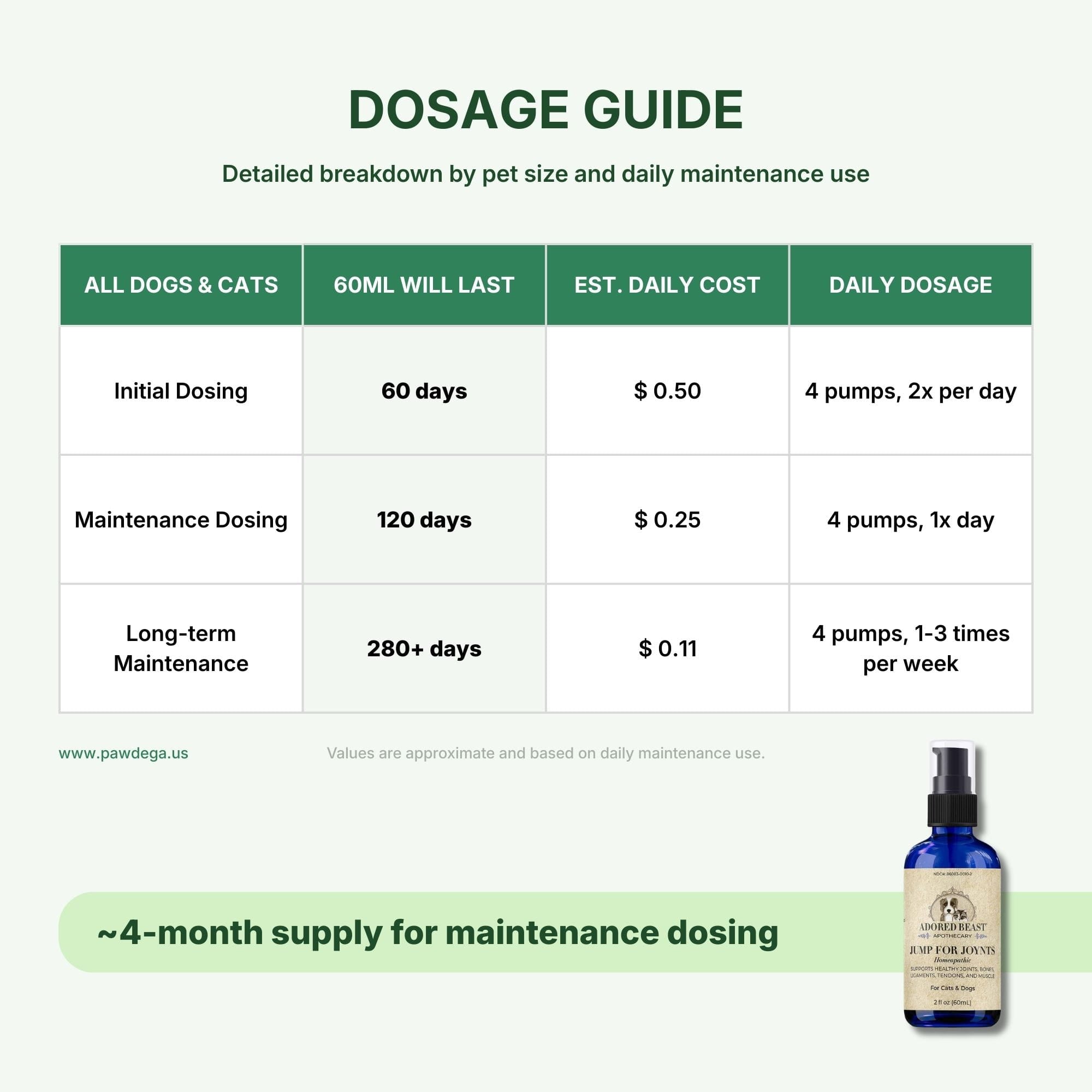
If you are navigating IVDD right now, our IVDD Support Bundle brings together supplements chosen to support spinal health and the nervous system during recovery, and it is a gentle place to start a conversation with your holistic vet. For everyday mobility and a healthy inflammatory response, an omega-3 like Potent-Sea algae oil and a joint tincture like Jump for JOYnts are two of the tools we come back to again and again. None of these are a fix on their own. They are support, working alongside your vet, your patience, and your dog's own remarkable ability to heal.
You are not powerless here. You are your dog's biggest advocate, and asking these exact questions already makes you a really good one.
Much love, Larry
Sources
- "Laser Therapy for Dogs," PetMD (veterinarian-reviewed), 2024. https://www.petmd.com/dog/procedure/laser-therapy-for-dogs
- "Cold Laser Therapy for Dogs: Benefits, Cost, and More," Chewy (veterinarian-reviewed), 2026. https://www.chewy.com/education/dog/health-and-wellness/cold-laser-therapy-for-dogs
- Perego R. et al., "Low-level laser therapy: Case-control study in dogs with sterile pyogranulomatous pododermatitis," Veterinary Dermatology, 2016. https://www.ncbi.nlm.nih.gov/pmc/articles/PMC5021839/
- "Low level laser therapy in dogs (Proceedings)," dvm360. https://www.dvm360.com/view/low-level-laser-therapy-dogs-proceedings
- "Applications of Therapeutic Laser in Your Daily Practice," WSAVA 2018 Congress, citing NAALT contraindications, via VIN. https://www.vin.com/apputil/content/defaultadv1.aspx?pId=22915&id=8896845
- Draper W.E. et al., "Low-level laser therapy reduces time to ambulation in dogs after hemilaminectomy: a preliminary study," Journal of Small Animal Practice, 2012. https://onlinelibrary.wiley.com/doi/abs/10.1111/j.1748-5827.2012.01242.x
- Bennaim M. et al., "Preliminary evaluation of the effects of photobiomodulation therapy and physical rehabilitation on early postoperative recovery of dogs undergoing hemilaminectomy for thoracolumbar intervertebral disk disease," American Journal of Veterinary Research, 2017. https://avmajournals.avma.org/view/journals/ajvr/78/2/ajvr.78.2.195.xml
- Looney A.L. et al., "A randomized blind placebo-controlled trial investigating the effects of photobiomodulation therapy (PBMT) on canine elbow osteoarthritis," Canadian Veterinary Journal, 2018. https://pubmed.ncbi.nlm.nih.gov/30197438/
- Alves J.C. et al., "A randomized double-blinded controlled trial on the effects of photobiomodulation therapy in dogs with osteoarthritis," American Journal of Veterinary Research, 2022. https://avmajournals.avma.org/view/journals/ajvr/83/8/ajvr.22.03.0036.xml
- Stich A.N. et al., "Critically Appraised Topic on Low-Level Laser Therapy (LLLT) in Dogs," 2022. https://www.ncbi.nlm.nih.gov/pmc/articles/PMC9502196/
- Piyarat K. et al., "Penetration depth study of 830 nm low-intensity laser therapy on living dog tissue." https://www.ncbi.nlm.nih.gov/pmc/articles/PMC7429387/
DISCLAIMER: Please note that this content is for informational purposes only and is not intended to be a substitute for professional veterinarian advice, diagnosis, or treatment. Our content may include affiliate and/or sponsored links which means your support helps move our mission forward. As content creators, we earn from qualifying purchases.